
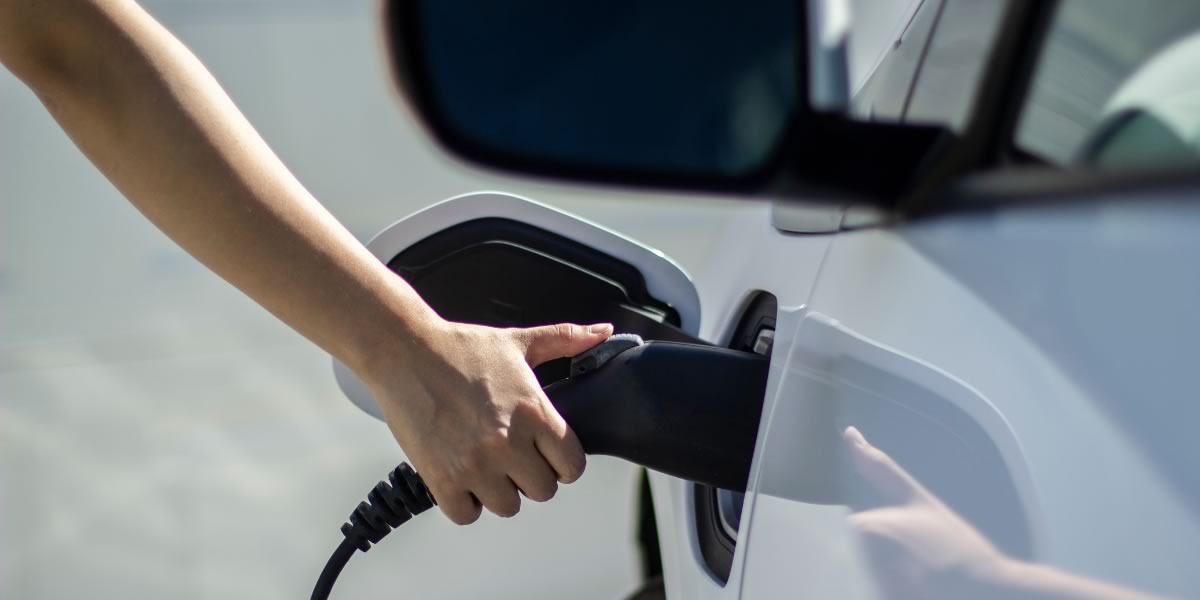
Working out the cost of electricity used to run your electric vehicle (EV) where you use the vehicle for business purposes and you use the logbook method for making your claim for car expenses is a little more complex than monitoring the cost of fuel used to run an all petrol vehicle. You need to keep certain records and make some choices along the way.
But first, a quick look at some of the basic rules around tax claims for the business use of cars, including EVs.
What trips are eligible?
Costs incurred in running your car for business purposes can be deducted using one of several methods. The term “business purposes” includes:
- Attending meetings or conferences away from your usual place of work
- Collecting supplies or delivering items
- Travel between two separate places of work (eg, for a second job)
- Travel from your home or your usual place of work to an alternative worksite (eg, a client’s office or worksite), and
- Itinerant work, where the job requires you to work at more than one location each day before going home.
Travel between your home and your usual place of work is only deductible in quite limited circumstances – eg, when transporting bulky equipment to and from a worksite.
Cents per kilometre up to 5,000 business kilometres per year
For many taxpayers, the statutory safe harbour rate of 88 cents per kilometre for the 2025-26 income year for up to 5,000 business kilometres can be the best way of claiming their car expenses. It gets you a deduction of up to $4,400 without having to keep any receipts.
The cents per kilometre method covers all car expenses, including depreciation, registration and insurance, repairs and maintenance, and fuel costs. If you use this method, you can’t add any of these costs on top of the cents per kilometre amount. The cents per kilometre method applies the EVs (including plug-in hybrids – PHEVs) as well as petrol only cars.
If you use this method, you will need to keep records that show how you have worked out your business related kilometres. That can be done by way of a travel diary that covers the entire income year. You also need to show that you own or lease the car.
Logbook method
The cents per kilometre method will not always be optimal for everyone. If you have a high percentage of business use of the car, the logbook method may well give you a better result. But you will need to keep receipts or other evidence of all your car expenses, as well as completing a logbook for a representative and continuous 12-week period. The logbook needs to show the destination and purpose of each business trip, as well as the total kilometres travelled. It also needs to show the opening and closing odometer readings for the logbook period. The percentage of business use is worked out using the logbook and is applied to the total costs attributable to running the car.
The logbook can be relied upon for five years, unless your pattern of use changes significantly (eg, if you move house or the nature of your job changes). If that happens, you will have to complete a new 12-week logbook.
Having completed the logbook, and for a non-electric car, you then need to keep receipts for fuel and oil expenses, or make a reasonable estimate of those expenses based on opening and closing odometer readings, standard fuel use by your car (per the manufacturer) and average petrol prices for the income year (per the Australian Institute of Petroleum website). You should also keep receipts or other evidence of what you’ve spent on registration and insurance, repairs and maintenance, lease payments and interest charges. You should also have a record of the cost of the car and show how you have worked out your depreciation claim.
You then apply your business use percentage to the total running costs and there’s your claim for car expenses.
Electric vehicles
EVs are typically charged at both commercial charging stations and using home chargers. You need to keep a record of the cost of using commercial charging stations, which should be straight-forward enough.
For home charging, however, the electricity usage for charging EVs is combined with the total electrical consumption of the household, and cannot generally be separately identified.
Unless your EV is capable of reporting the percentage of home charging, the best basis for claiming electricity costs is to use the Commissioner’s home charging rate of 4.2 cents per kilometre to the total distance travelled by the EV during the year of income. The 4.2 cents per kilometre home charging rate covers all electricity costs for the EV, so if you use this method, you cannot also claim the cost of using commercial charging stations.
Where you are able to determine the home charging vs commercial charging station percentage, you can work out the total number of kilometres attributable to your home charging, multiplying those kilometres by the 4.2 cents EV home charging rate and then adding any commercial charging station costs.
You must still keep receipts substantiating your commercial charging station costs, keep an electricity bill and record your opening and closing odometer readings. Having calculated your electricity costs you add it to all the other car running costs (including depreciation) and claim the business proportion as per your logbook.
Plug-in Hybrids (PHEV)
PHEVs are trickier than EVs since they use petrol as well as electricity. The ATO has come up with a seven-step method statement for calculating the combined petrol and electricity costs applicable to a PHEV which we won’t bore you with here.
What you need to keep for our lodgement meeting are:
- Your PHEV’s actual petrol and oil costs for the period
- Opening and closing odometer readings, and
- Your PHEV’s Condition B test cycle fuel economy figure (per the manufacturer).
We will do the rest and ensure you are claiming your legitimate entitlement.
| State | Webpage |
| New South Wales | https://www.service.nsw.gov.au/campaign/savings-finder |
| Victoria | https://services.dffh.vic.gov.au/concessions-and-benefits |
| Queensland | https://www.concessionsfinder.services.qld.gov.au/ |
| Western Australia | https://concessions.communities.wa.gov.au/ |
| South Australia | https://www.sa.gov.au/topics/care-and-support/concessions/concession-finder |
| Tasmania | https://www.concessions.tas.gov.au/ |
State-Based Seniors Cards
Alongside federal concession cards, state-based Seniors Cards offer additional discounts. These cards unlock savings on public transport, dining, entertainment and local services, helping you enjoy a more affordable and active lifestyle. From discounted public transport fares with Victoria’s Seniors myki, Queensland’s go card or NSW’s Gold Opal card to special offers at participating businesses, Seniors Cards make everyday experiences more accessible.
Who is eligible
State-based seniors’ cards are generally available for residents over 60 who are no longer working full time. For example, in New South Wales, those 60 or older working 20 hours or less weekly qualify for a Seniors Card, while those working more hours can apply for a Senior Savers Card.
The Victorian Seniors Card is available for Victorians aged 60 or older, working less than 35 hours per week.
In Queensland, you qualify for a Seniors Card or Seniors Card+go if you’re 65 or older and work less than 35 hours per week (averaged over 12 months), or if you’re 60–64, work under 35 hours weekly and hold a PCC, HCC, or eligible Department of Veteran Affairs card. A Queensland Seniors Business Discount Card is available for those aged 60 or older.
Take Advantage of Your Concession Cards
Federal and state-based concession cards help you save where it matters most. Whether it’s lower-cost medications, bulk-billed doctor visits, discounted transport or savings on local services, these cards support your lifestyle and budget. Speak to us about applying for a concession card if you think you may be eligible.
Please contact us if you need more information or support. Visit our Contact page for details or call us at 02 8094 8990.